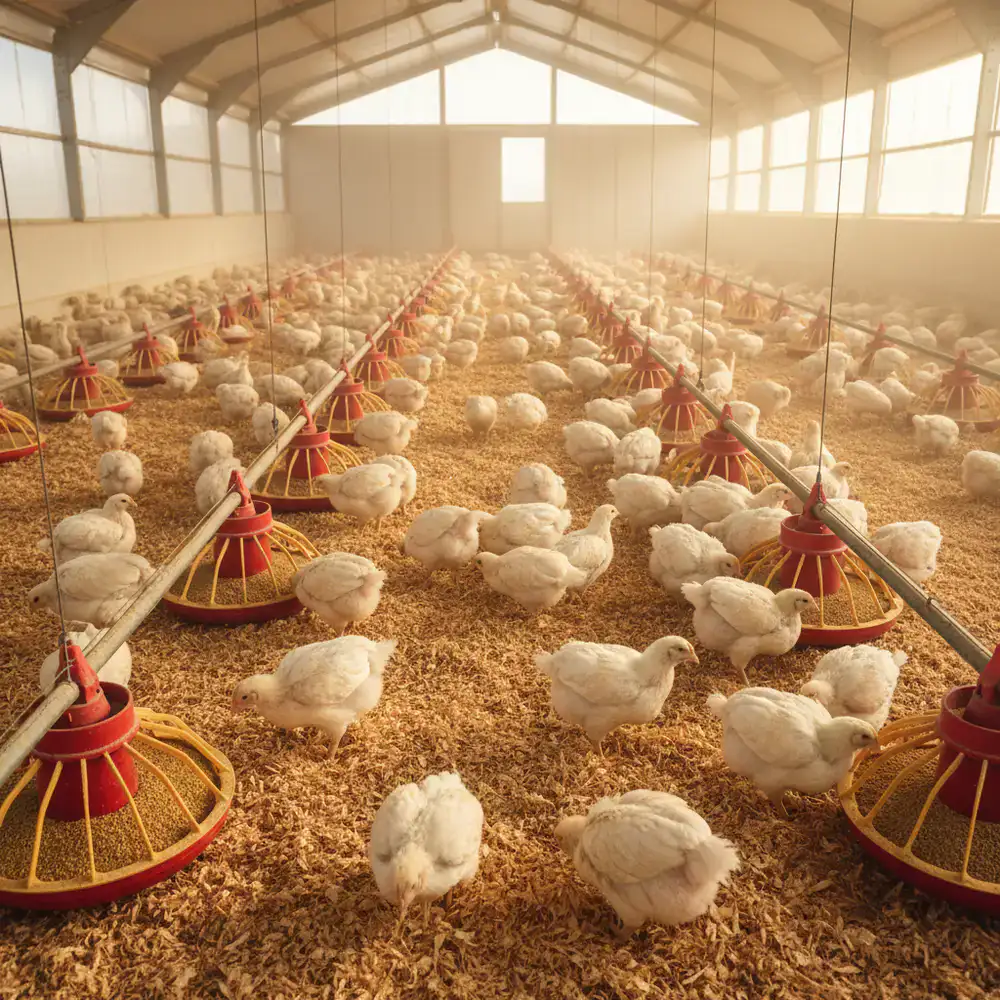
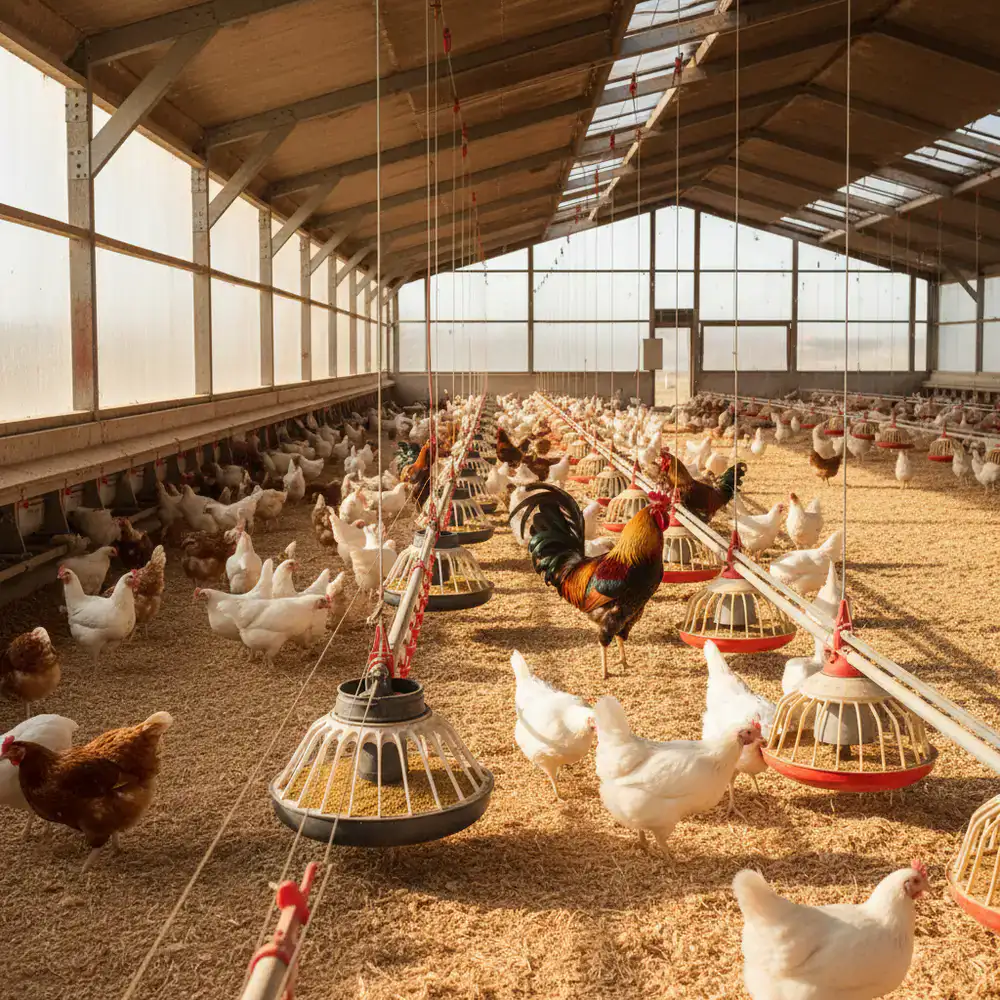
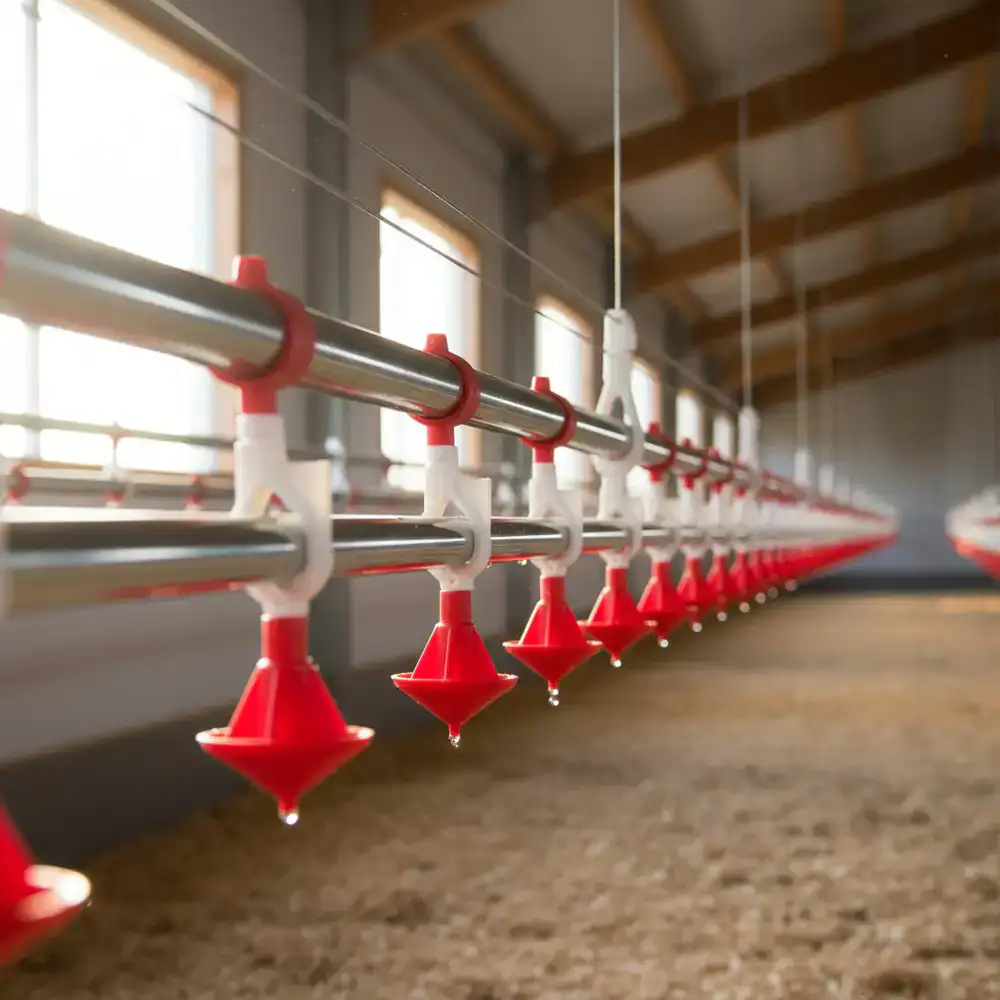
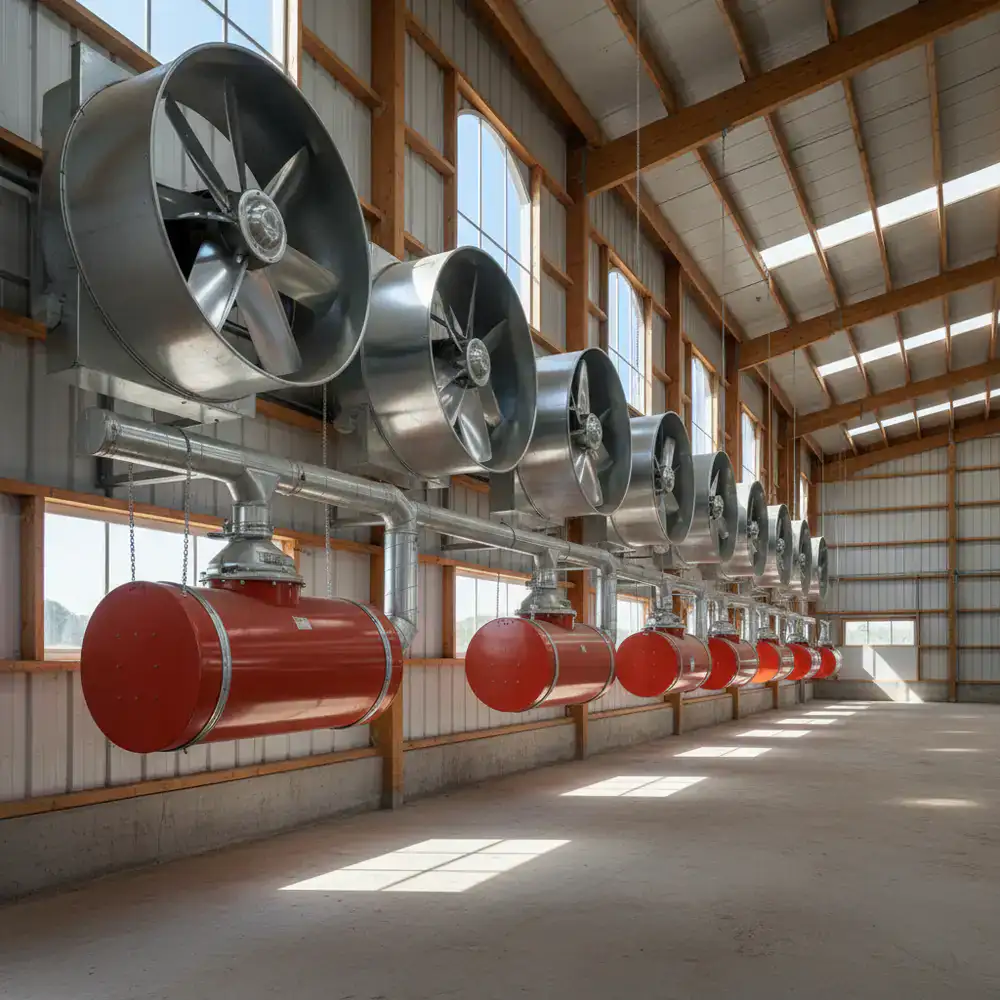
Building an efficient barn is about more than just buying metal and plastic. The way you arrange your feeders, the height of your water lines, and the airflow over your bird density directly impact the health of the flock and your farm's productivity.
A common question from managers upgrading their systems is how to size feed storage. As a rule, silos should hold enough feed for a minimum of four days of peak consumption to account for delivery delays. When feeding heavy breeders versus light layers, the bulk density of the ration changes, which means your auger motors need to be rated correctly to prevent burnouts.
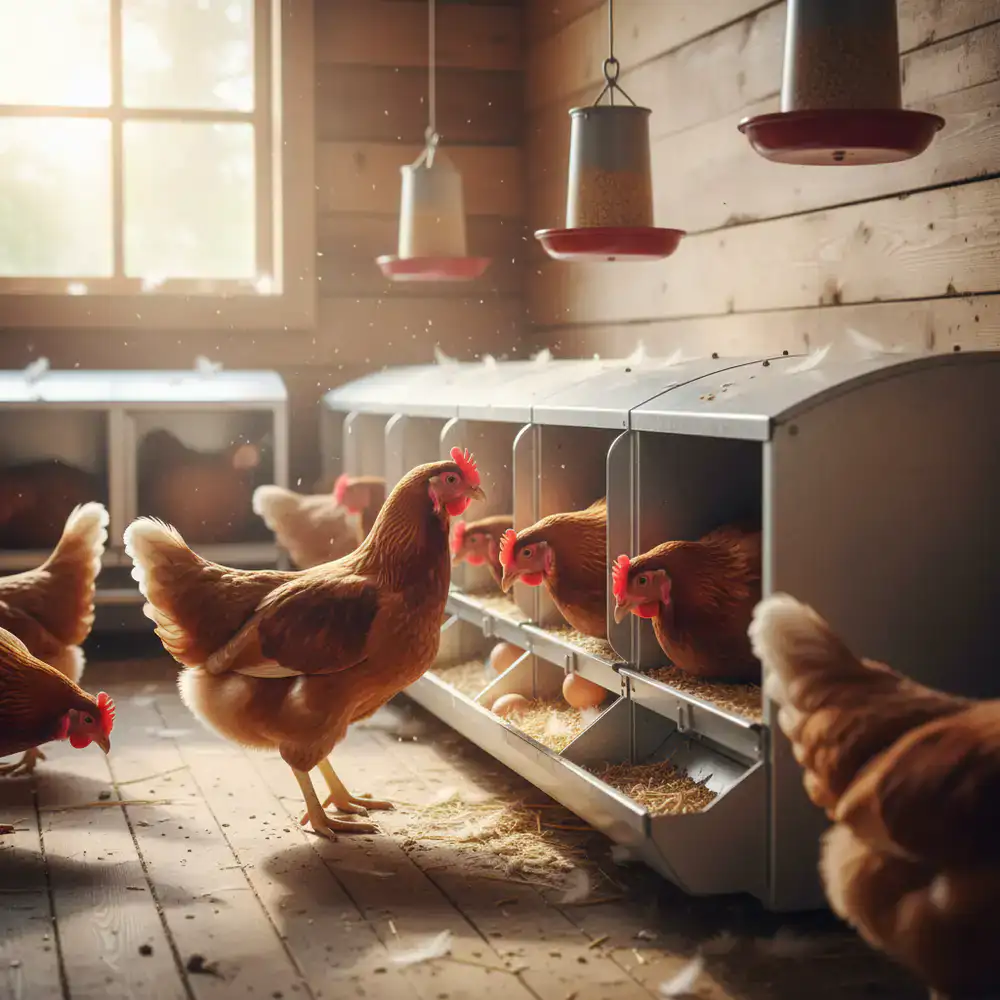
When looking at nesting solutions, egg cleanliness is the primary goal. Manual collection nests are lower in initial cost but significantly raise labor expenses over the life of the flock. We highly recommend automated rollout nests paired with collection belts for operations over two thousand birds. The reduction in cracked or soiled eggs often pays for the hardware within the first two cycles.